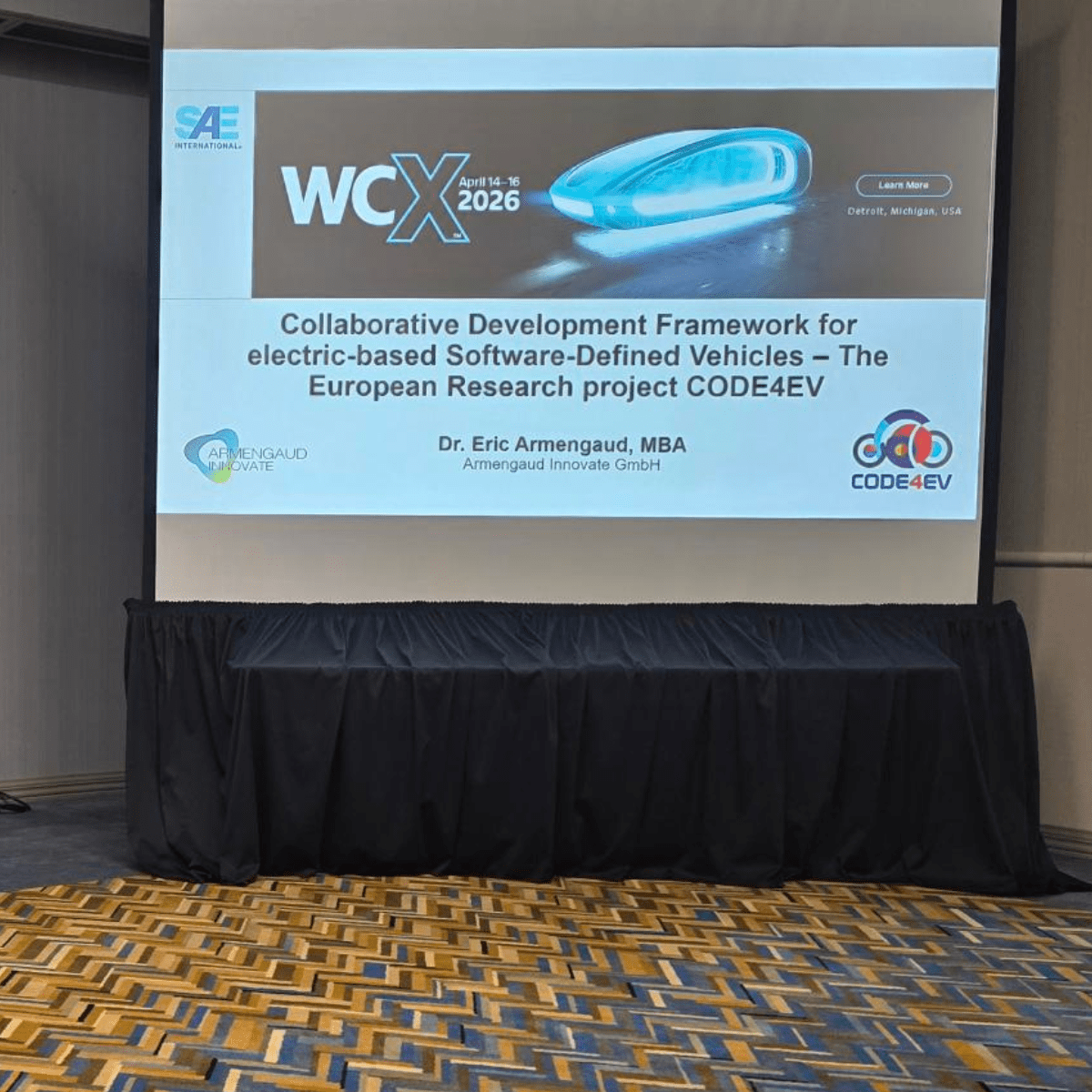
Software‑Defined Vehicle at SAE WCX 2026

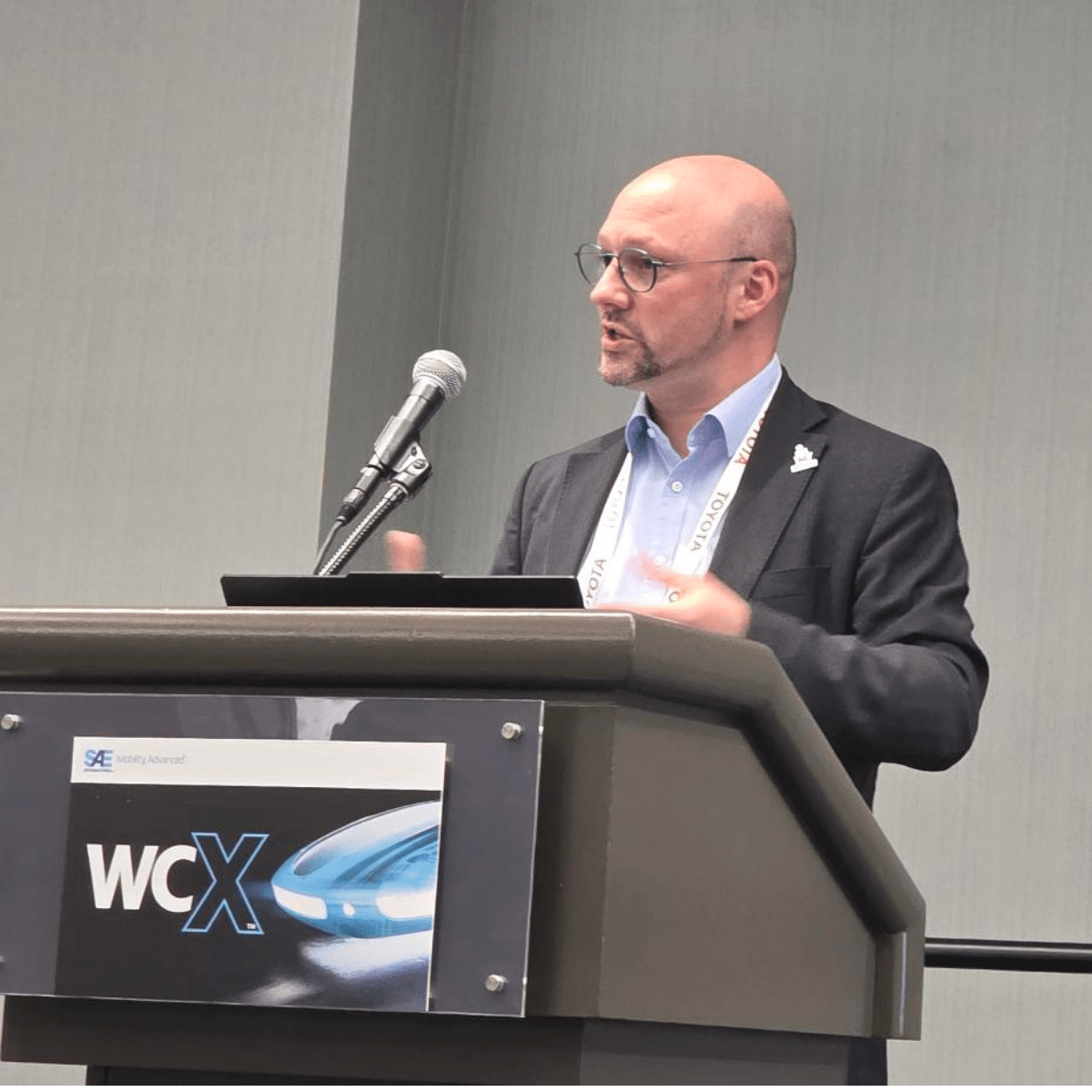
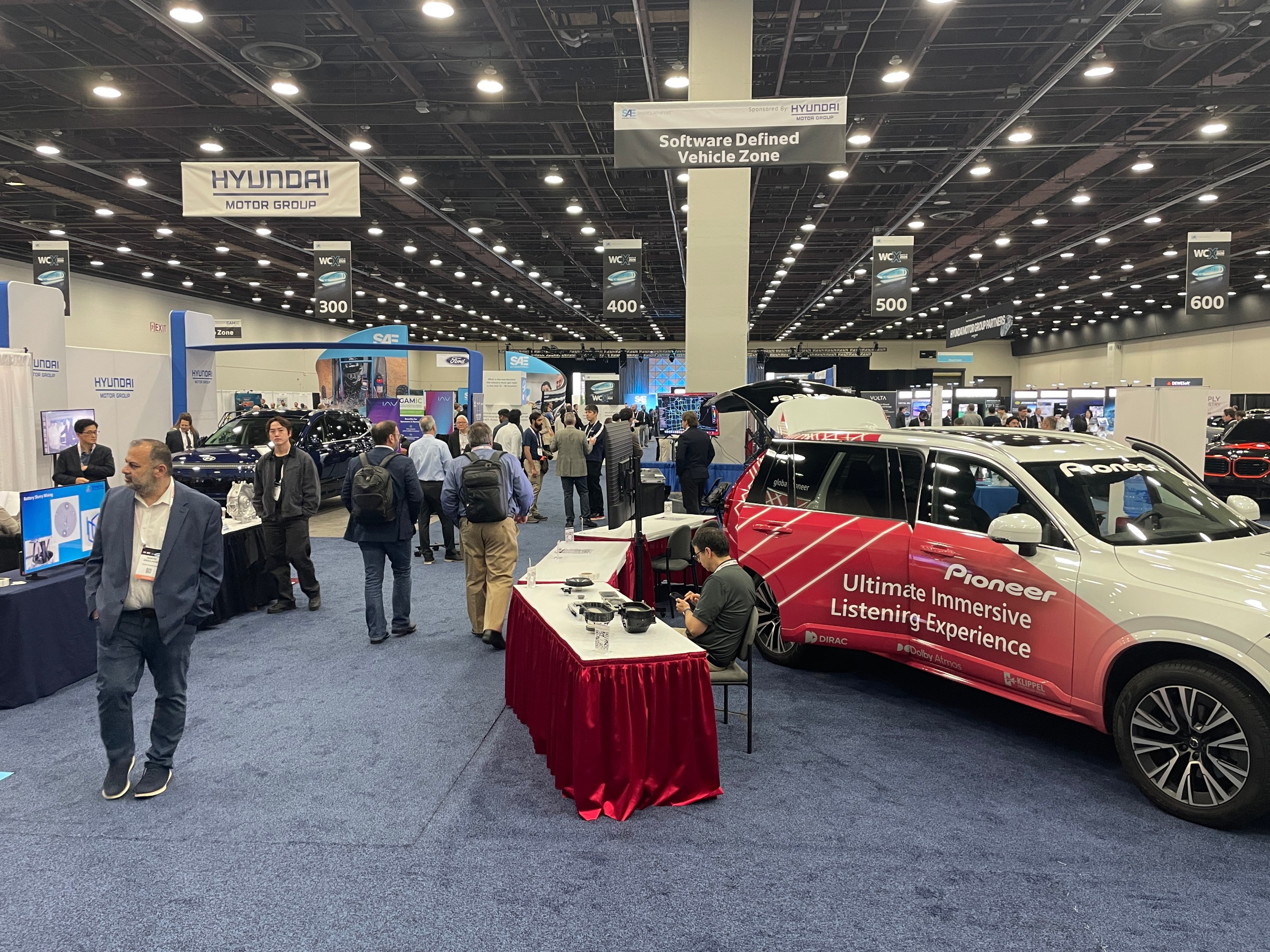
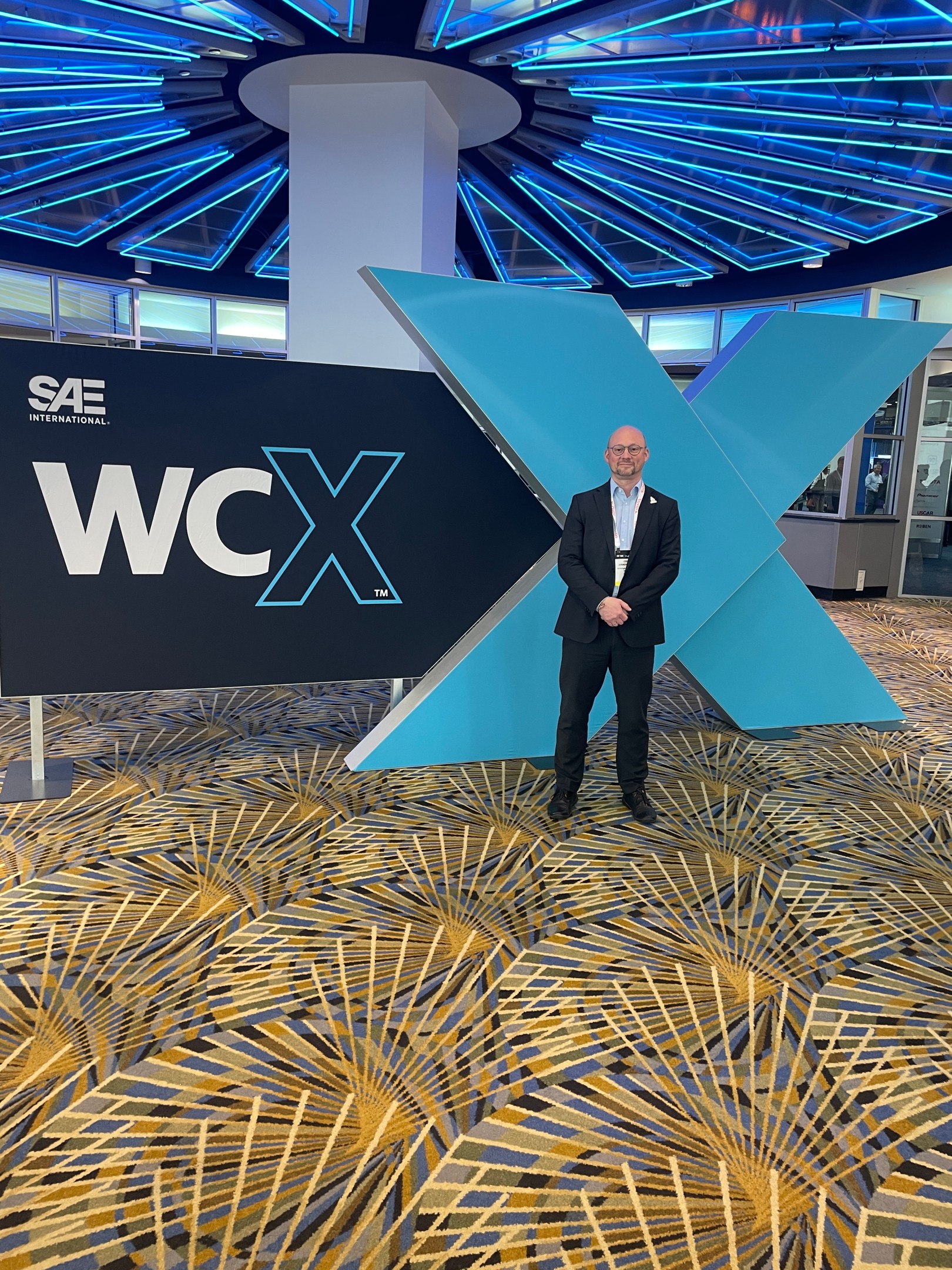
At SAE WCX 2026, CODE4EV had the opportunity to present the CoDe framework in a dedicated technical session on Software‑Defined Vehicles (SDV). The paper created by consortium was presented by Eric Armengaud and brought together experts from across the automotive ecosystem to discuss current developments and future directions in SDV engineering. The discussion highlighted the rapid pace at which Software‑Defined Vehicle concepts are transforming vehicle development worldwide. What was once considered a regional or exploratory approach has clearly evolved into a globally adopted strategy, driven by the need to accelerate software‑based and data‑driven innovation while managing increasing system complexity.

Several key technical and organizational insights emerged from the session:

  • Global adoption of SDV concepts
    Software‑Defined Vehicle strategies are no longer limited to specific regions. They have become a global approach to accelerating innovation through software and data.
  • Consistency across development and CI/CD processes
    Maintaining consistency throughout development workflows, particularly within continuous integration and continuous deployment (CI/CD) pipelines, is critical to ensuring scalability, quality, and reliability.
  • Integrated systems, software, and safety engineering
    Model‑based systems engineering, software engineering, and safety engineering play a crucial role in explicitly defining components, vehicle attributes, targets, and their interdependencies. This transparency significantly reduces development risks and certification effort.
  • Frontloading through realistic environments
    The ability to operate models and components in realistic, executable environments at early development stages enables effective design space exploration and substantially accelerates development timelines.
  • AI as a transformational enabler
    The use of artificial intelligence across development, validation, release, and advanced control strategies represents a major step forward. At the same time, robust guarantees for safe and secure operation remain essential.

The session clearly underlined that mastering SDVs is not about adopting a single technology. Instead, it requires the combination of robust engineering methods, scalable development processes, and intelligent tooling, applied consistently across the entire vehicle lifecycle.

We would like to thank the session organizers and all participants for the insightful discussions and the highly engaging exchange.
CODE4EV at RTR2026: Paving the Way for Software‑Defined Vehicles

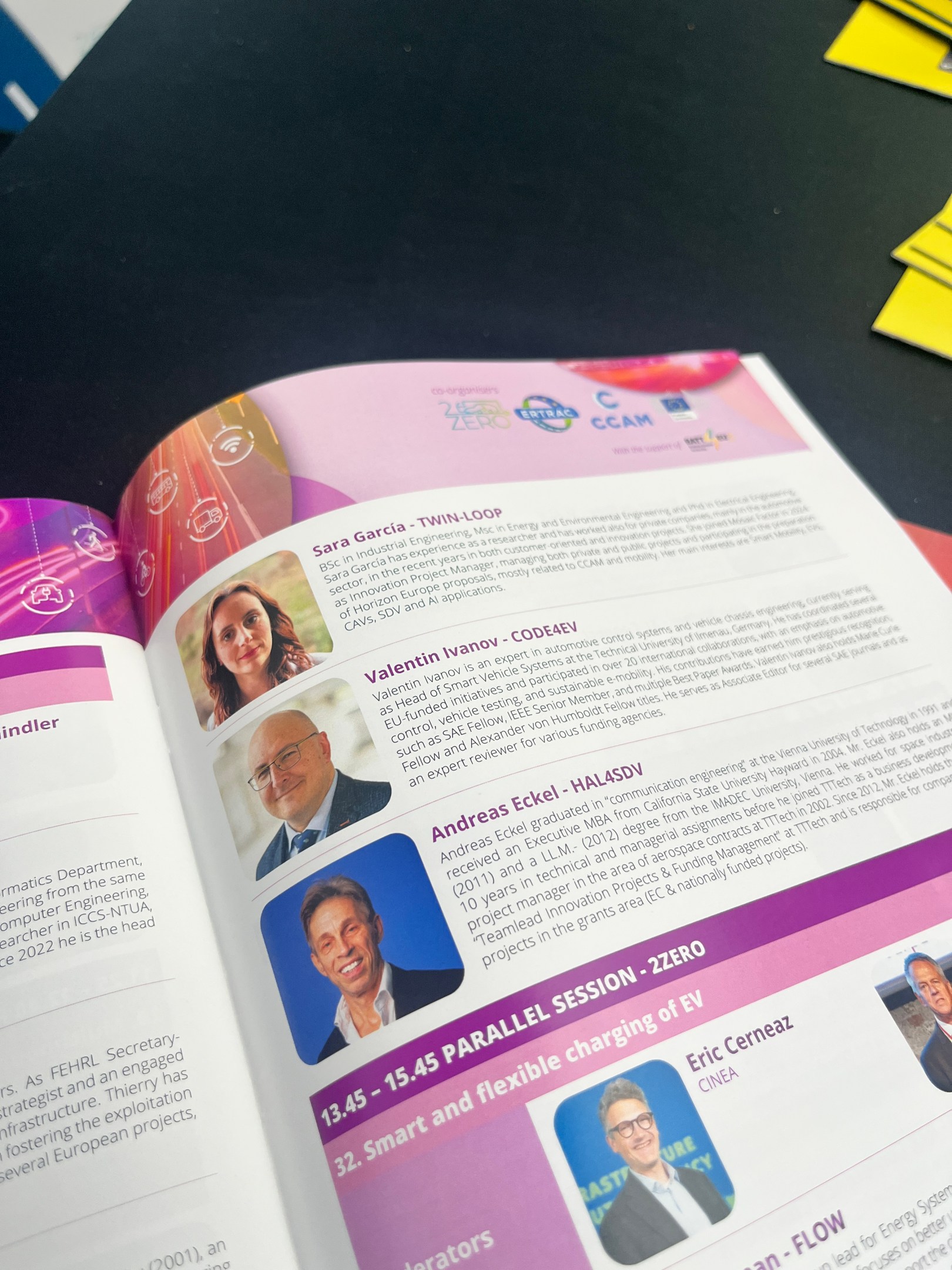
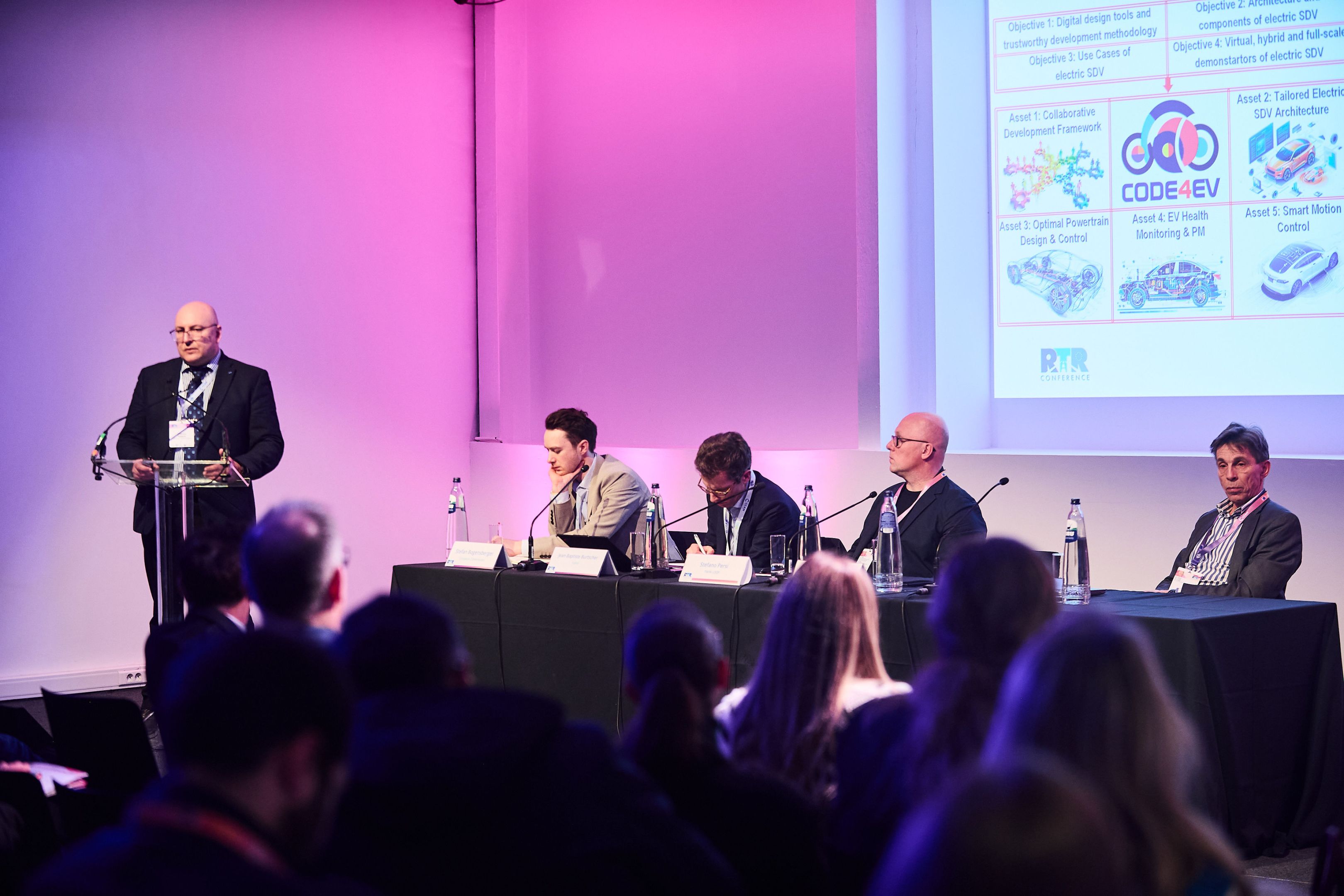
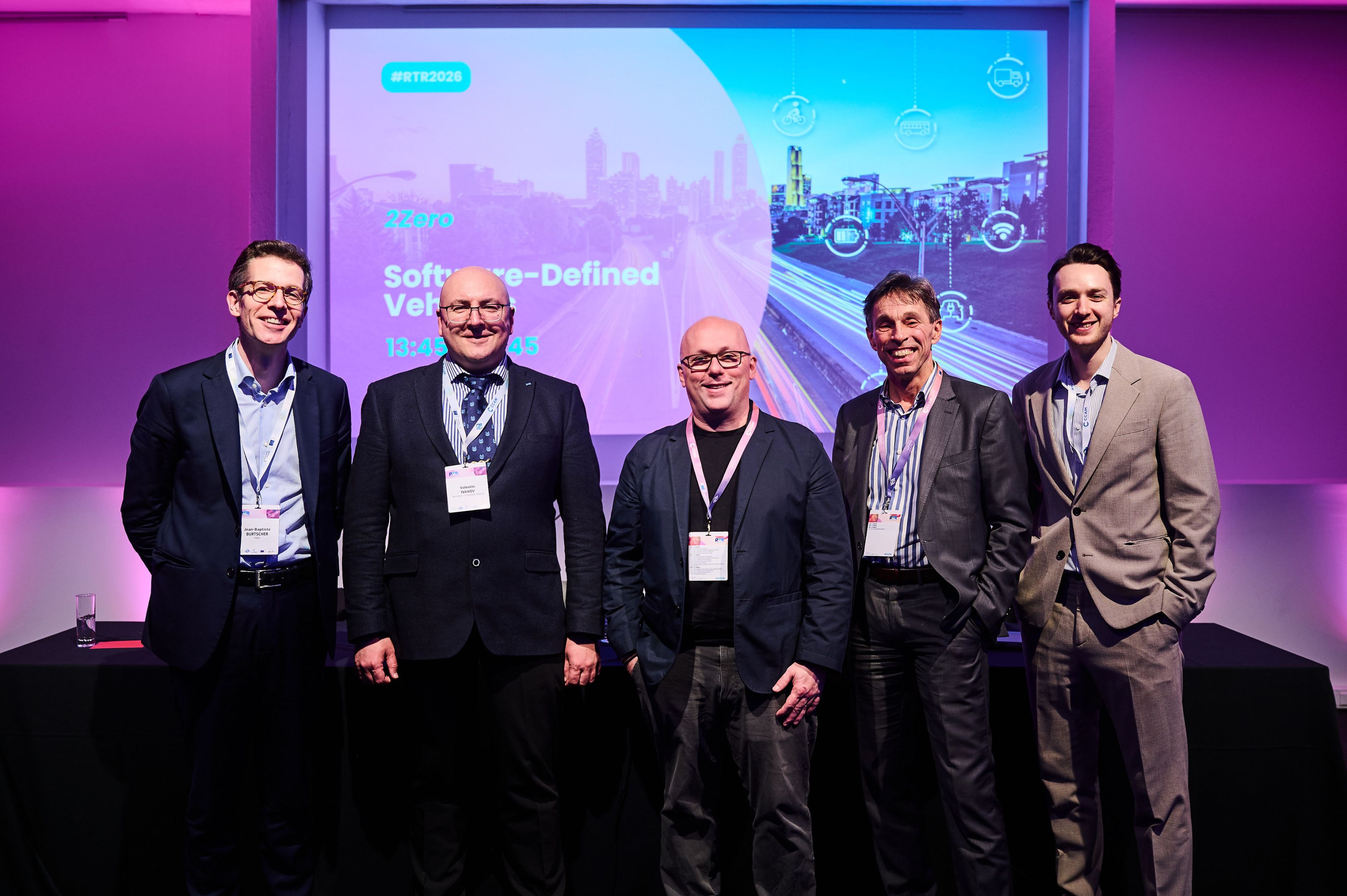
At RTR2026, CODE4EV took part in the session dedicated to software-defined vehicles (SDVs) – one of the most transformative topics in mobility today. The project shared the stage with Twin-Loop and HAL4SDV, bringing together two complementary perspectives connected through two major European funding programmes: Horizon Europe (2Zero) and Chips JU.

The session emphasized the fast pace of software innovation and the importance of open-source frameworks, interoperability, and cross‑domain collaboration. 

What became especially clear during the discussion: software-defined vehicles are not a distant vision—they are already taking shape. And projects like CODE4EV are supporting to ensure that Europe plays a leading role in this transition by sharing expertise, reducing duplication, and building joint architectures.

RTR2026 reaffirmed the relevance of CODE4EV’s work and we are looking forward collaborating Twin-Loop, HAL4SDV and further projects and initiatives towards a common goal. 

Take a look at the recording of the session:

and our presentation on Zenodo.

CODE4EV at ADTC 2025: Collaborating Across Europe Toward the Future of Software-Defined Vehicles

The CODE4EV project was proudly represented at this year’s European Nanoelectronics Applications, Design & Technology Conference (ADTC), held in Grenoble, France. This annual event brings together leading experts in mobility innovation, microelectronics, and digital technology to discuss the future of connected, automated, and software-defined vehicles (SDVs).

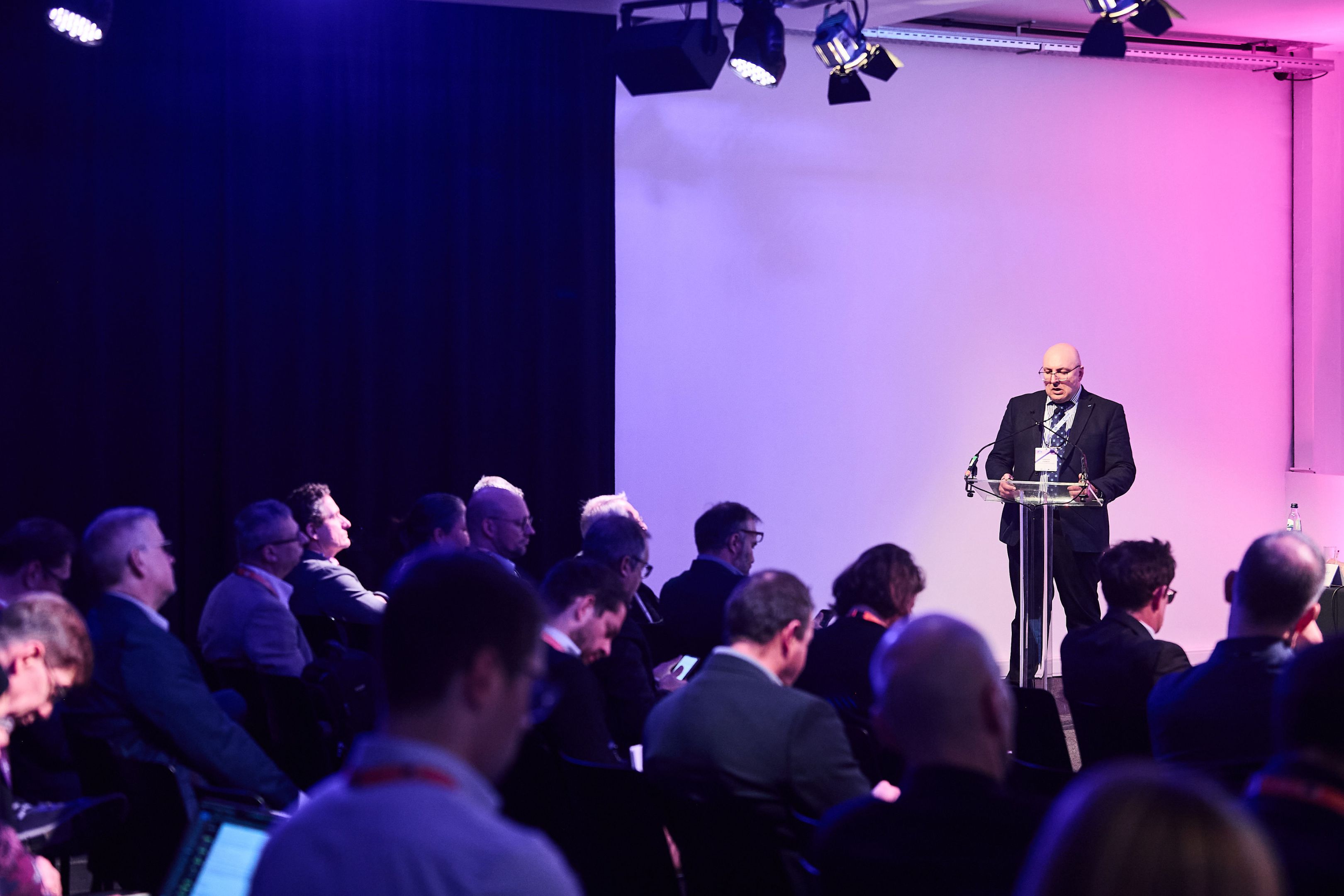
Our colleague Eric Armengaud took the stage in Technical Session 7: Software-Defined Vehicles, delivering a joint presentation on behalf of both CODE4EV and our sister project TWIN-LOOP. Under the title “Contributions from Horizon Europe funded initiatives CODE4EV and TWIN-LOOP for the Software-Defined Vehicle of the Future initiative,” he outlined how these two EU-funded efforts are working in their projects to shape a Collaborative Development Framework for SDVs and contribute to the broader European innovation ecosystem.

This dedicated SDV session also featured complementary initiatives such as FEDERATE, HAL4SDV, and the IPCEI ME/CT program – each tackling different but interrelated challenges in the evolution of the software-defined vehicle landscape. What appeared at first to be a diverse mix of topics quickly revealed itself to be a converging ecosystem, rich in complementary research, skills, and stakeholders. Together, these initiatives are helping to build a foundation for coordinated innovation across the entire mobility value chain—from nanoelectronics and embedded systems to digital twins and vehicle operating systems.

The conference served not only as a platform to share CODE4EV’s vision, but also as a catalyst for new collaboration opportunities across European research and industry. The event enabled open dialogue and knowledge exchange with like-minded innovators and decision-makers working on the cutting edge of automotive and digital transformation.

As Eric noted after the session:

“It was a great experience to present alongside such inspiring projects and people. The session created a space for forward-looking dialogue – and I appreciated the opportunity to contribute to that exchange.”

We would like to thank the ADTC 2025 organizers for curating such a relevant and future-focused event, and for giving CODE4EV the opportunity to contribute to the shared European journey toward more intelligent, sustainable, and software-driven mobility.

đź”— You can explore the presentation here!

CODE4EV Holds First General Assembly in Erfurt: A Milestone for Collaboration and Alignment

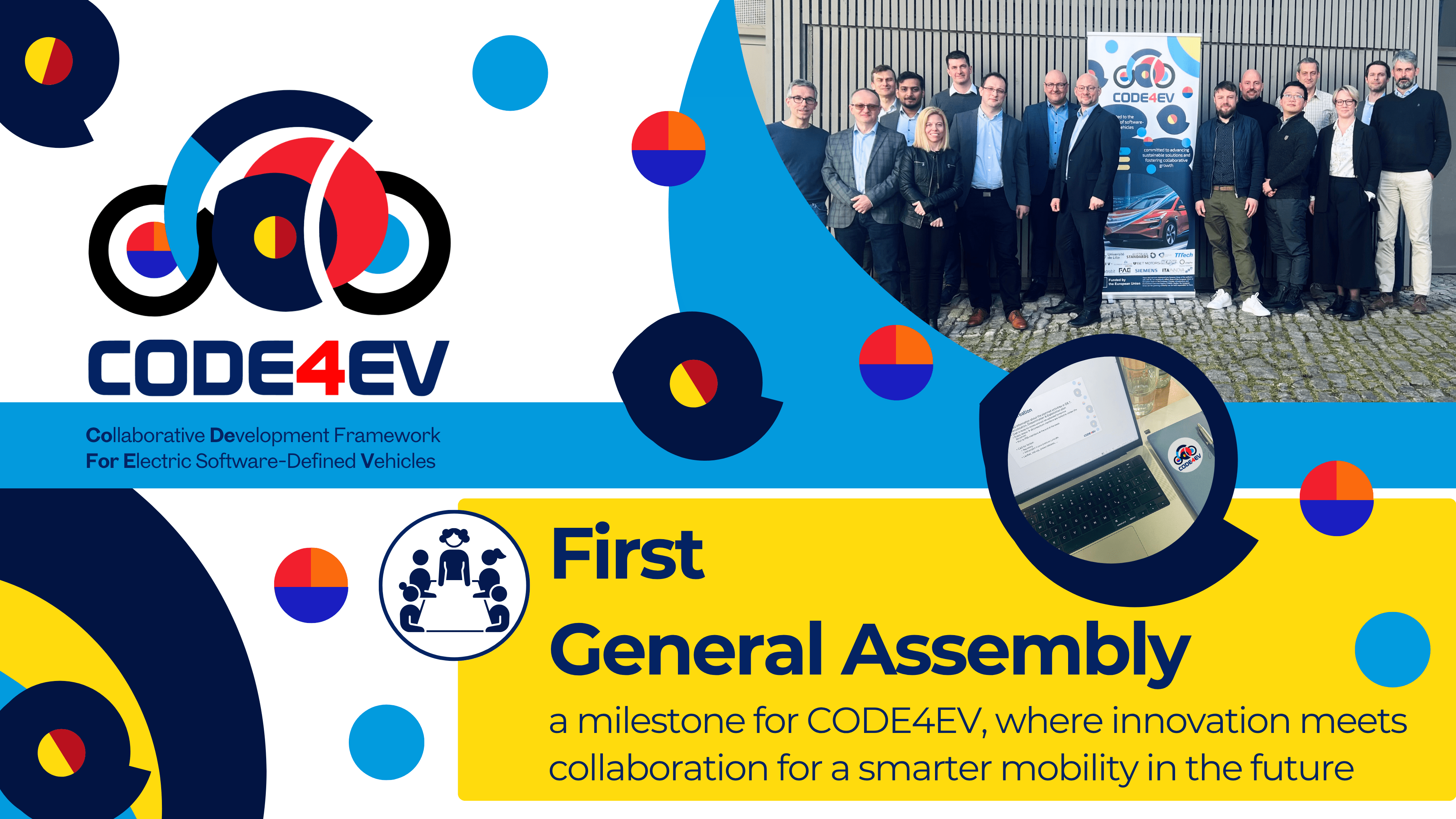
The CODE4EV consortium has successfully completed its first General Assembly, hosted in Erfurt by our project coordinator Valentin Ivanov and the Smart Vehicle Systems Working Group at Technische Universität Ilmenau. This hybrid meeting marked a significant milestone in the early phase of the project, bringing together partners from across Europe both in person and online.

The General Assembly served as a vital forum for consortium members to deepen their mutual understanding, align on key objectives, and structure the collaborative work ahead. Discussions focused on refining our approach to the development of a robust, model-based framework for software-defined electric vehicles, a central goal of CODE4EV.

Participants reviewed progress within the technical work packages and discussed how each partner’s expertise contributes to the broader mission: enabling more efficient, interoperable, and future-proof engineering processes for next-generation software-defined electric vehicles. The meeting also offered an opportunity to align on project management and communication, dissemination and exploitation strategies – ensuring that CODE4EV remains not only technically ambitious, but also strategically grounded within the EU’s mobility and digital transformation agendas.

Beyond the technical content, the event was an important moment to strengthen collaboration and build a shared project culture. The warm hospitality provided by TU Ilmenau created an open and productive environment, fostering both focused discussion and informal exchange among project partners.

With this successful General Assembly, CODE4EV has laid a strong foundation for the collaborative development framework that will drive our work forward. We are excited to continue this journey together toward shaping the future of software-defined electric mobility.

CODE4EV Kicks Off with a Strong First Online Meeting

The CODE4EV project is off to a great start. Our first online consortium meeting brought together all project partners for a productive exchange and alignment on our shared goals.

This kick-off session laid the groundwork for the work ahead. Each partner introduced their role in the project and shared initial ideas and approaches. The meeting highlighted the diverse expertise across the consortium – from model-based system development to electric vehicle validation – and confirmed the strong collaborative spirit driving the project.

Discussions focused on how we’ll work together across technical work packages and how we can ensure the results of CODE4EV contribute to smarter, software-defined, more sustainable mobility in Europe.

Next up: our first in-person meeting this March in Erfurt, Germany. Hosted by project coordinator Valentin Ivanov and the Smart Vehicle Systems Working Group of the Technical University Ilmenau, this meeting will give us the chance to dive deeper into the technical work and strengthen cooperation.

With such a committed and skilled team, CODE4EV is well positioned to deliver meaningful results—and we’re just getting started.